

30,000 Women are trafficked from Nepal each year. That is a 550% rise since 2013
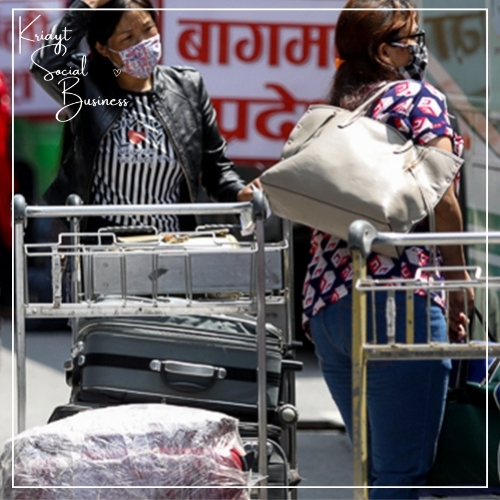
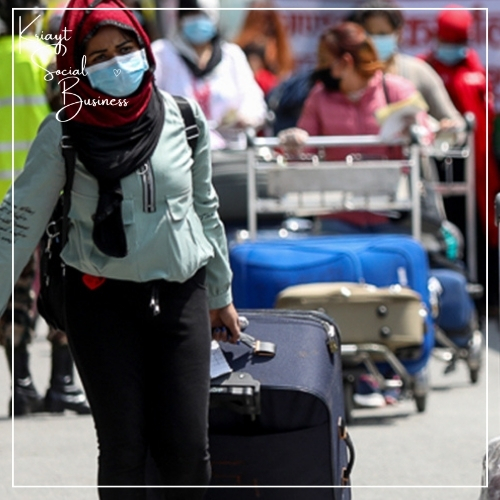
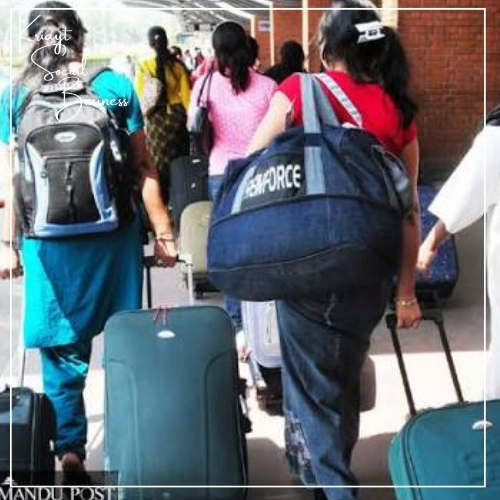
- 16 % of the Nepali women return “penniless”
- Scores of women have been victims of sexual abuse
- 77 % of the workers were unaware of work provisions in the destination country
- 67% have gone abroad without proper training.
- 72 % were unaware of their right to insurance.
Suicide is a leading cause of death for Nepali women working overseas, accounting for over 30% of female migrant worker deaths in specific studies, a proportion higher than that seen among male counterparts.
Vulnerability: Female migrants often work in isolated conditions, such as domestic help in Gulf countries or West Asia, making them heavily reliant on employers and harder to reach via standard labor protection.Risk Factors- Abuse and Exploitation: Severe physical, psychological, or sexual abuse by employers (resulting in pregnancy), combined with restricted movement.
- Isolation: Extreme loneliness, language barriers, and lack of social or consular support networks.
- Financial Pressure: Heavy debt incurred from high recruitment fees and pressure from families back home to remit money.
- Overwork: Long, grueling working hours without adequate rest or access to local healthcare systems
“I went overseas to become financially independent,” she says. “But for women, foreign employment isn’t what you think it to be. They treat us like animals, not humans.” – as reported by Debesh Adhikari, 20 Sept 2013, Spotlight News Magazine
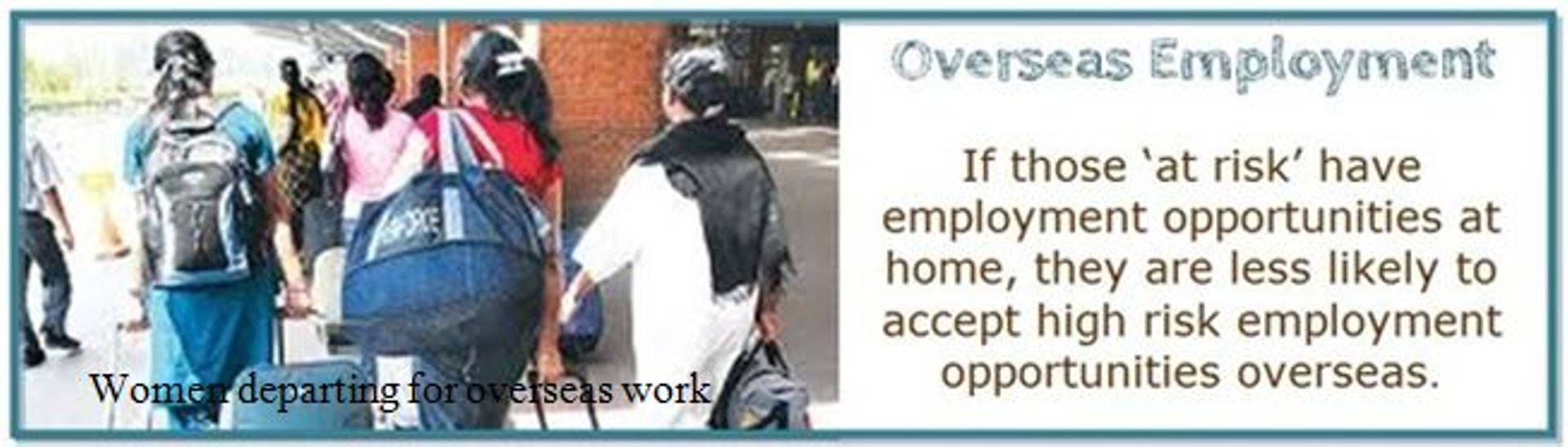
If those at risk have more employment opportunities at home in Nepal, they are less likely to go abroad. Dangerous employment overseas offers little opportunity to enhance their future. At Kriayt we aim to raise awareness about the risks and hazards of such jobs. However, we believe in supporting and guiding anyone who decides to accept foreign employment by informing them of their rights, correct information and ensuring they are fully prepared before they leave. And most importantly understand their contracts.
Sharmila Regmi had been working in the United Arab Emirates. She lost her job recently due to the Covid-19 crisis and was desperate to return home. From the flight, to holding cells then a hotel if the could afford it – those that could not were told to sleep on the street. Women from Kuwait and Qatar had also reached the holding centre and same situation. No food for over 24 hours and now they had to wait on family and the ward chairman to give them permission to go back to the village and collect them. READ MORE HERE
Twelve years after she left Nepal, and after a dramatic rescue from the home of her abusive Saudi employer, Lilamaya Dhimal returned to a sunny Kathmandu airport on Wednesday morning to say: “I feel safe now, at least I know I will live.”Lilamaya’s employer was abusive and did not pay her. When she couldn’t bear the torture, Lilamaya used to ask him what they would do if she died in Saudi Arabia? His response — a nonchalant “Maafi mushkil” (no problem). “I landed in the hands of a monster,” she says. “All five of the family’s children were below 10 years and were quite a handful. They were gullible and emulated their parents in mistreating me. My days would begin before 6 AM and end after 1 AM.” READ ABOUT HER RESCUE HERE