
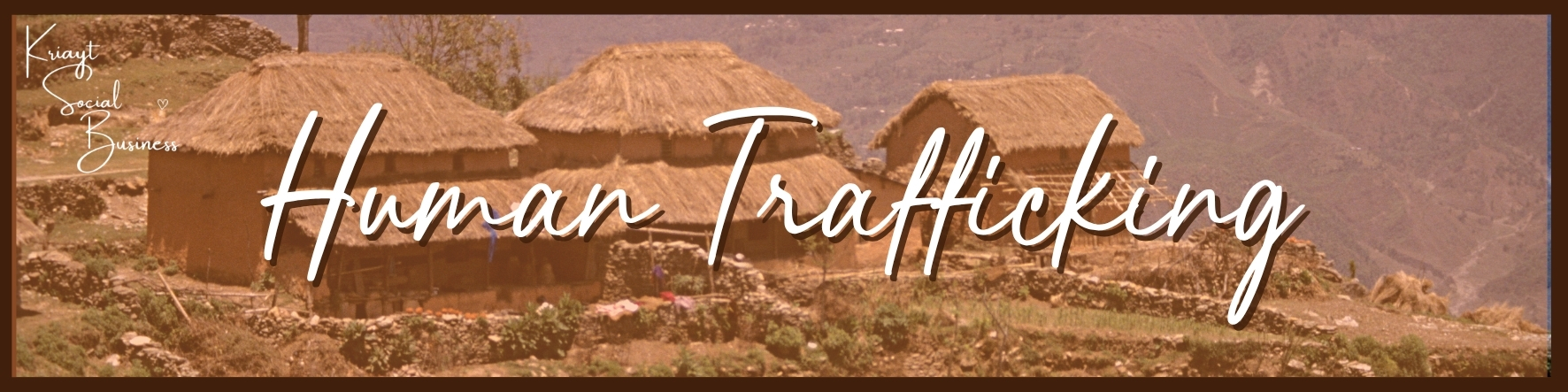
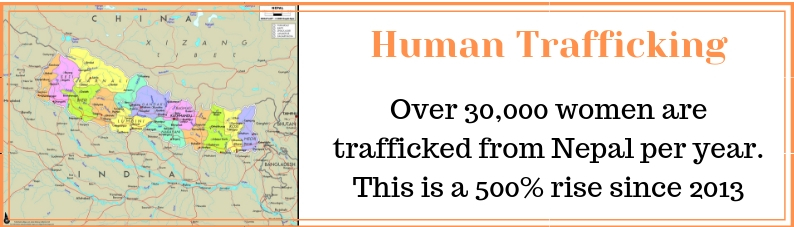
30,000 Women are trafficked from Nepal each year. That is a 550% rise since 2013
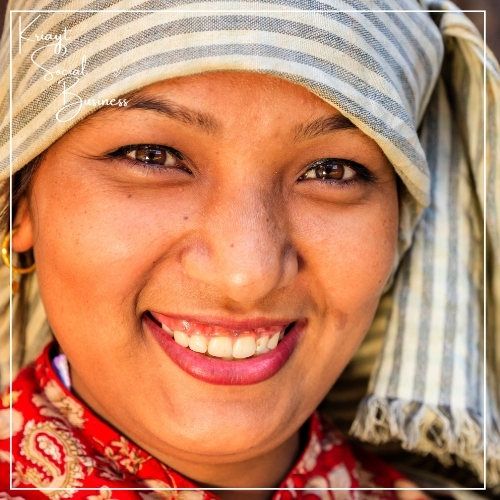
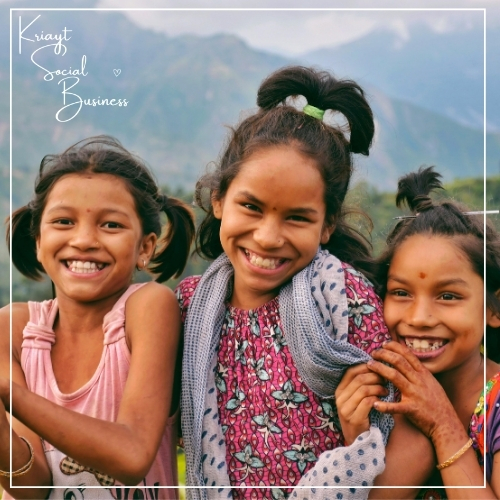
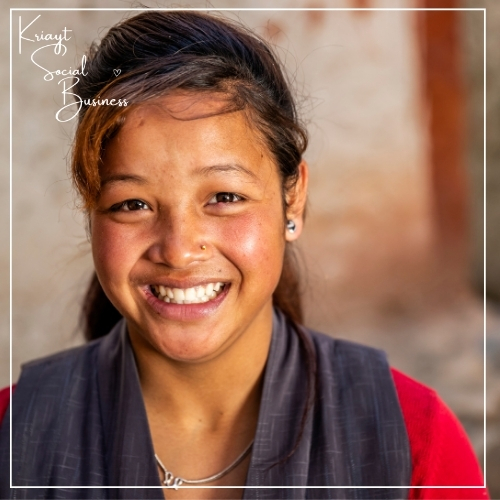
Anti-trafficking charities, estimate that 30,000 women and young girls are smuggled from Nepal to India each year. According to its data, most victims are between 12 and 25 years old, though some are as young as 8.
The United Nations defines human trafficking as the recruitment, transfer or harboring of persons through force or deception for the purpose of exploitation. No comprehensive figures exist for the number of Nepalese women and girls trafficked across the border into India. The border is nearly 1,100 miles long and very porous, with only 14 checkpoints.
For years, the open border has enabled human traffickers to transport Nepalese women and girls to India with relative ease. Some of them have been recruited for domestic work in Indian homes, where conditions range from tolerable to highly exploitative. Many others have been forced into sex work or sent to third countries
In one case from an NGO they intercepted six girls at the border, all between 17 and 21 years old, who were being trafficked by six young Nepalese guys from Nepal’s Terai the country’s southern lowlands that border India. The men drove to the mountain villages and recruited the girls by promising them jobs with high salaries. And they also raped the girls.
India is not the final destination of all Nepalese trafficking victims. Women and girls have been rescued from a host of countries beyond South Asia, including Hong Kong, Malaysia, China and Russia, according to NGOs and government officials. India has agreements for visa-free or visa-on-arrival travel to 59 countries, making travel outside the region easy.
Most Nepalese trafficking victims remain in India. In the country’s red-light areas, from New Delhi to Mumbai, they are prized for what clients describe as their youthful appearance; many even believe they act as protection against sexually transmitted diseases.
Pema who is currently working on the border looking for trafficked women says she knows how to spot potential victims because she was herself trafficked across this border when she was 11 years old. Born in a remote village in the north of Nepal, she was taken by a friend of her parents, drugged and sold into a brothel in India. Years of rape and torture followed until she was rescued by Maiti Nepal, an anti-trafficking charity, following a raid on the brothel.
IN many cases women are being sold by fake boyfriends that the women grow to trust “It is hard for them to take in the fact that their boyfriend is a trafficker who just wants to sell them,” says Sirta. “The same thing happened to me. My boyfriend sold one of my kidneys and then he sold me. I am only alive today because I was rescued.”
At Kriayt we have classes that spread the word about these issues and what to look out for – it is becoming even worse now with the lure of social media and catfishing. Our Social Workers go to far villages to share and update naive uses to the abuses of social media. Catfishing on Facebook is when someone creates a fake profile or steals another person’s identity to trick you into an online relationship or friendship.