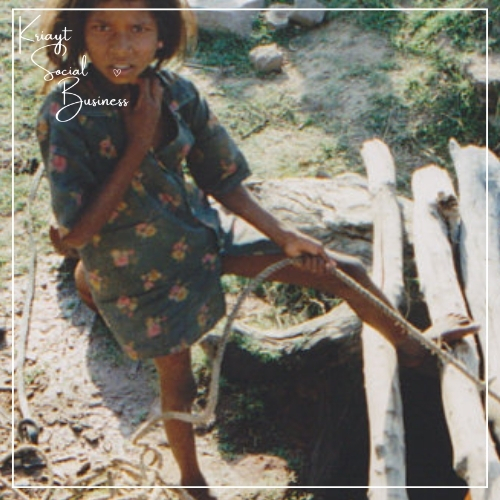
Approximately 1.1 million children are engaged in child labor in Nepal, with over 220,000 working in hazardous conditions.
-
- Today, 5000 – 6000 children are living and working on the streets of Nepal.
- 1.6 million children are engaged in child labour in Nepal.
- 127,000 children are trapped in the ‘worst forms of child labour, some as young as 5 years old. These children usually come from very poor families. Approximately 63% of the children would have had some education before they start working. However, only 18% of them continue to attend school.
- Wages for the worst forms of child labour range from minimal to non-existent, and the wage is usually sent directly to the child’s parents. The standard minimum wage regulations somehow don’t usually apply in many cases. 3 out of every 4 (69%) of the children employed in industry establishments earn 1000 NRP (10.05 USD) per month – that’s 33 NRP (0.30USD) per day.
- It is common for Nepali children to be taken from their family homes to work in factories in India. It has been reported that the child factory workers work from 6am – 10pm (an average of 15 hours per day) with a 1 hour break, 7 days a week, working in dire conditions where health and safety standards are all but non-existent.
- At least 40,000 children are caught up in bonded labour. This is a form of modern-day slavery. The child is forced to pay off a loan with direct labour in place of currency, usually over an undetermined period of time. Slavery is banned in Nepal. But hidden behind the walls of city homes, some still keep young girls as slaves called kamlaris.
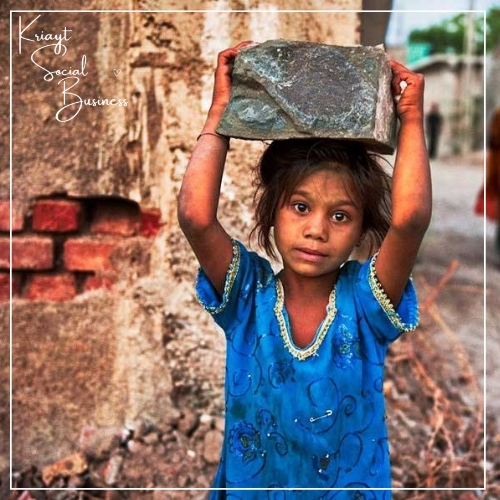
- Children are recruited as mine workers in stone quarries, where they are made to break rocks by hand and work in the brick kiln factories.
- Domestic child workers are used in private homes, doing various domestic chores, fetching water, doing kitchen work and cleaning. These children are not seen and not heard – they are invisible, making them vulnerable to many forms of abuse and exploitation.
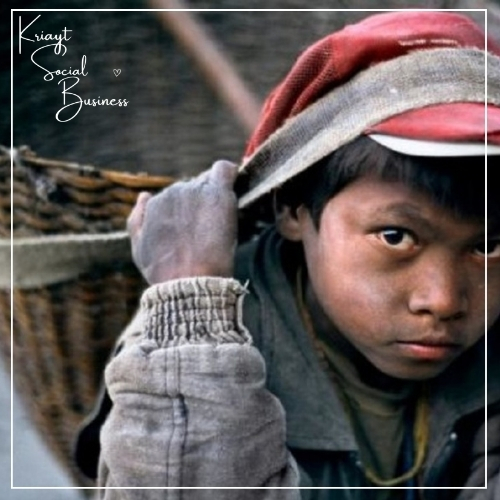
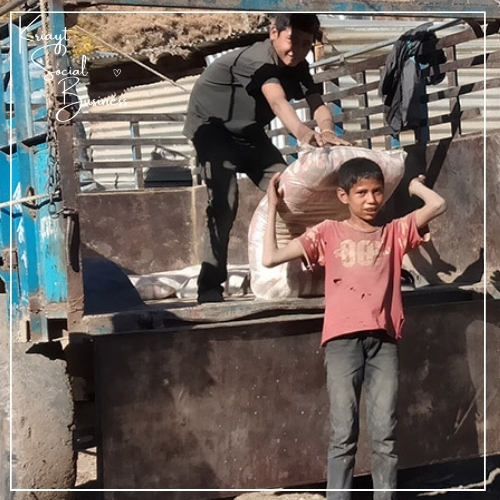
- Child porters are employed in Nepal and other countries either to carry heavy loads for long distances in rural areas. The loads are carried on their heads or their backs. Child porters pick up work for short distances in places like bus stations.
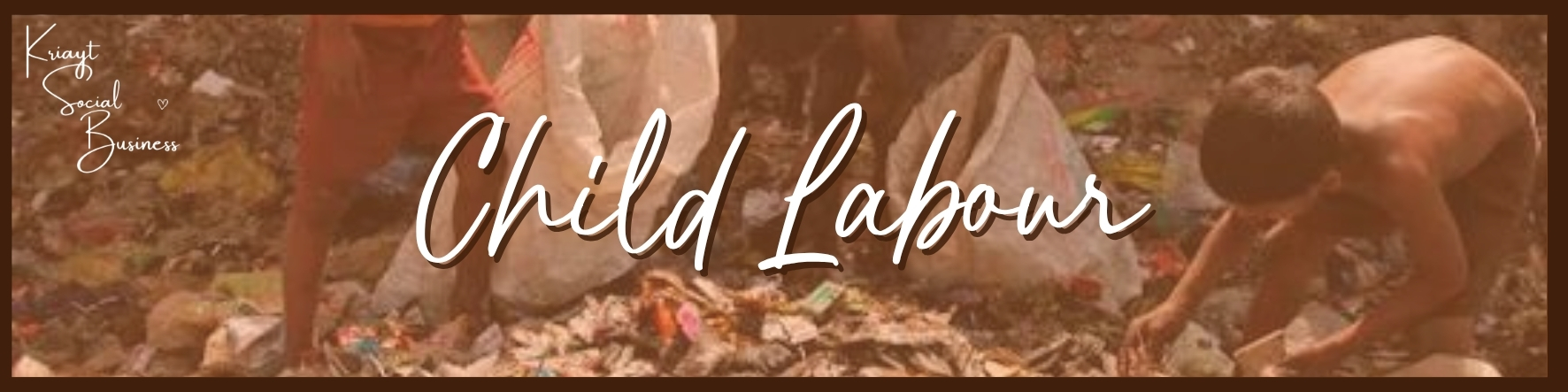
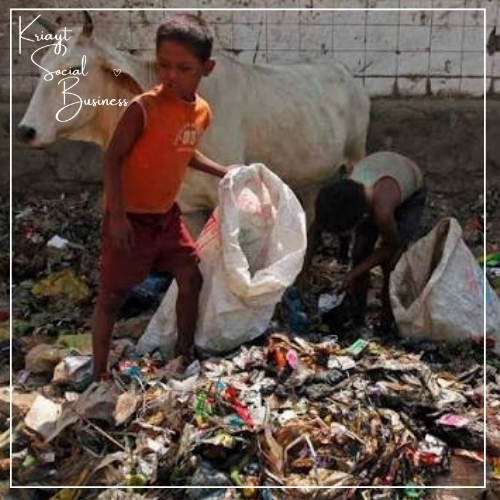
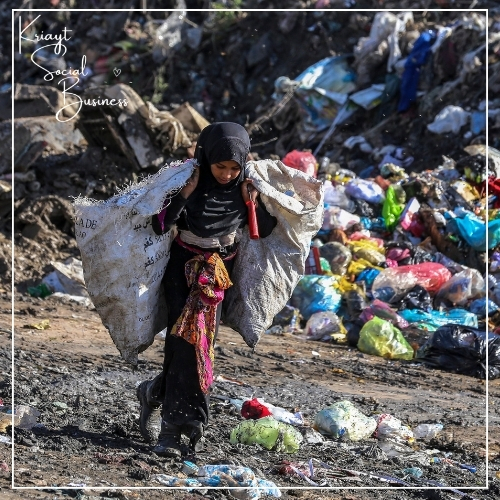
- Rag-picker children are sent to rubbish sites to find bottles, plastic, metal parts, glass, anything that can be sold for reuse. They sometimes collect food-waste to eat. These children are extremely poor and illiterate. The families are in desperate need of extra income so middlemen engage their young children to sift through rubbish which makes them highly susceptible to infection and diseases like tuberculosis and cancer due to their exposure to hazardous materials. The middlemen keep a major portion of the sales and give the children a very minimum wage.